
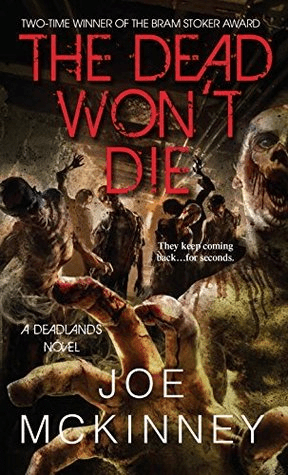
I made a bit of a mistake by diving into this book before reading the first one in the series—something I’ve done once or twice before. This choice made following some of the plot points and character arcs a bit challenging, yet overall, I found it manageable. However, the pacing of the narrative left something to be desired. At times, the story moved along at a rapid pace, enticing me to read more, only to slow down significantly in certain sections, which affected my engagement.
The characters themselves were well-crafted, but since I missed some of the character development from the previous book, I felt a slight disconnect. Still, the author does provide enough context to give readers a sense of who these individuals are supposed to be, which helped. The world-building is commendable; the towns and countries portrayed in this narrative offer a fresh perspective, straying from the typical settings we often encounter in post-apocalyptic fiction. I particularly appreciated the references to “Stranger in a Strange Land,” one of my all-time favorite science fiction novels. The parallels between that classic and the experiences faced by the characters in this book were striking and resonated well with the themes of alienation and survival.
The story is set against the backdrop of a world irrevocably changed after the dead rose thirty years ago, resulting in the collapse of civilization as we knew it. The devastation left many perished, and those who survived faced the formidable task of rebuilding in the ashes of the old world. The new societies that emerged were often harsh and unforgiving, with governance that could be described as barbaric. In some instances, the punishments meted out seemed disproportionately severe compared to the crimes committed, reflecting a grim reality.
Off the coast of Texas, there lies an island that seems to offer a glimmer of hope for three weary travelers. This refuge could potentially provide salvation for some communities that have struggled to cope with the harshness of their new existence. Yet, typical of seemingly idyllic places, the island harbors dark secrets that are waiting to be unearthed. As our trio begins to uncover the unsettling truths lurking beneath the surface, they face a moral dilemma about how to respond to the shocking developments they learn about.
While I found this book to be a decent read, I must emphasize the importance of starting with the first novel in the series. There are numerous layers to unpack in this story, rich with political intrigue, fascinating technological advancements, and the resilience of ordinary people who have endured thirty years of survival in a transformed world. Having read the first book would have undoubtedly enhanced my understanding and appreciation of the complexities woven throughout this narrative.
My rating: 🌟🌟🌟
“Yeah, I know, and that’s the deal here. Jacob, the thing with you is that you look at every problem you see like it’s a nail, and you’ve got the world’s only hammer.” “What? What in the hell does that mean?” “Jacob, don’t yell at me.” “I’m not . . .” He stopped for a second, took a breath, and tried again. “I’m sorry. I didn’t mean to yell. It’s just, sometimes, I have no idea what you’re talking about.” “It’s a Mark Twain quote. ‘To a man with a hammer, everything looks like a nail.’ ”

 Bookgirl